Writing
Develop stories through manuscripts, characters, locations, timelines, narrative structure and related creative material.
Ch. 14 — Vera crossed to the observatory before dawn.
ManuscriptsCharactersTimelines
Scripveil is a creative workspace and platform for developing and organizing creative projects. Whether you write, make films, build games or create visual art, everything that belongs to a project stays connected in one place.
The Cartographer's Debt
Film · In development

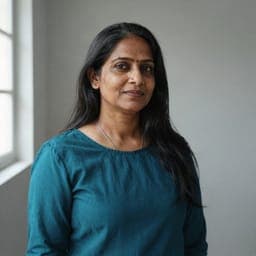


Vera Kess
Everything in Scripveil lives inside a project. A project gives your creative work the structure to be developed, organized, connected and collaborated on.
Creative work is developed inside the project, from the first idea onward.
Characters, locations, references and tasks each have a place.
Related information stays linked instead of being repeated.
People join a project with a role, and the access the project gives them.
Scripveil supports Writing, Film, Game Development and Visual Arts. Each has its own material to develop, and each works the same way: inside a project.
Develop stories through manuscripts, characters, locations, timelines, narrative structure and related creative material.
Ch. 14 — Vera crossed to the observatory before dawn.
Develop and manage film and episodic productions through story, script, characters, scenes, cast, crew, locations, departments and production workflows.
14 INT. OBSERVATORY — NIGHT
22 EXT. HARBOR STEPS — DAWN
Develop games through design, mechanics, systems, characters, levels, narrative, assets, production and development workflows.
Create and develop visual works through drawing, illustration, design, composition, characters, environments, references and visual assets.
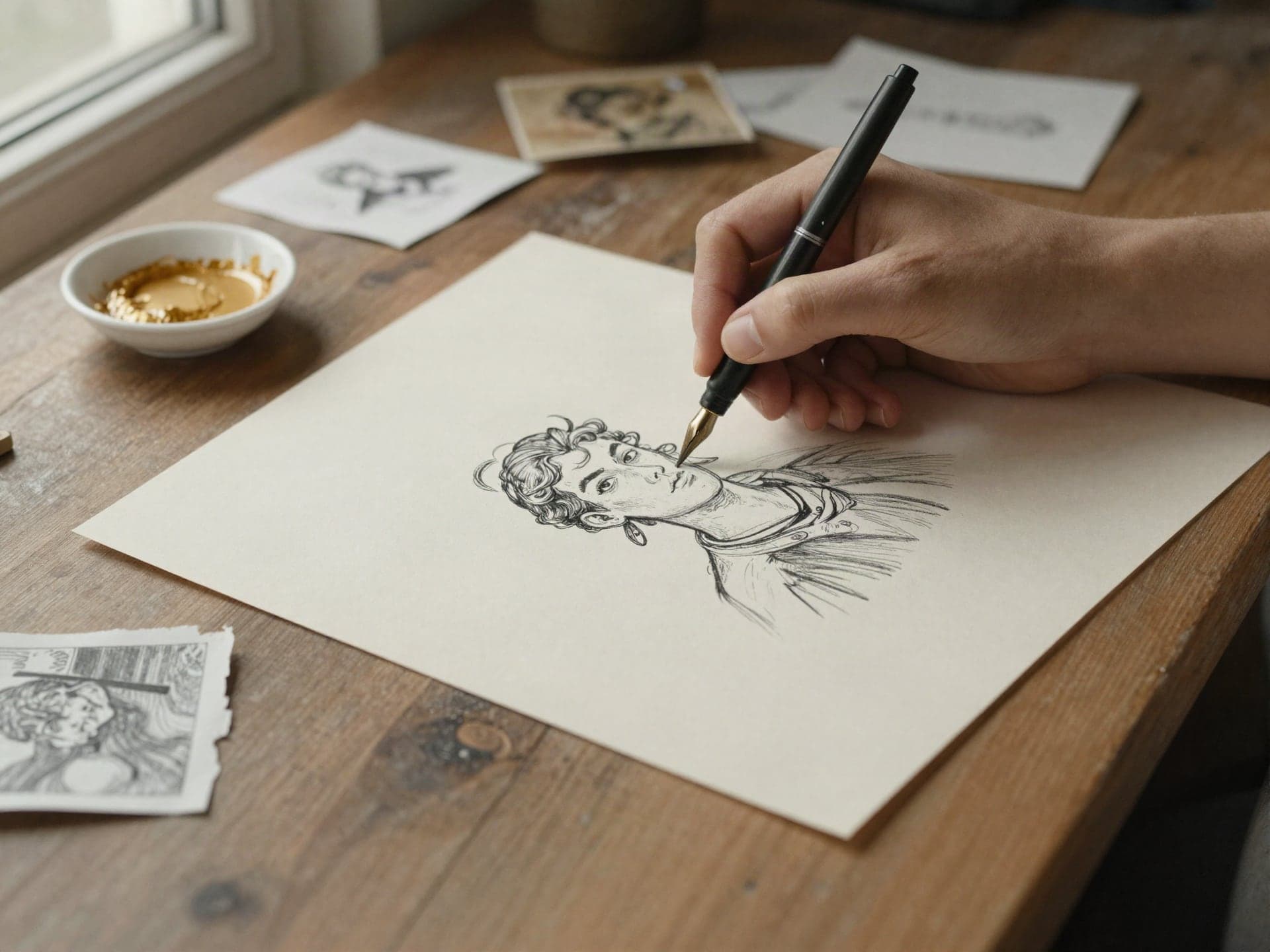
A project is where creative work is kept and developed. It holds the work itself, the information around it, and the people involved.
The central container for a piece of creative work.
Set the project's domain and purpose, and the material it builds on.
The writing, scenes, designs, systems or artwork you make.
Characters, locations, references and tasks, kept in order.
Bring in people with the roles and access they need.
Move the project forward, from early idea to finished work.
Here is an example project. Its name, people and details are fictional, but the pieces are the ones every project is built from.
The Cartographer's Debt
Team
Maya Ortiz
Writer
Priya Nair
Costume Designer
Sam Holloway
Casting Director
Lena Fischer
Producer
Characters
Locations
Scenes
Tasks
Milestones
Illustrative example. The project, people and details shown are fictional.
Every Scripveil project shares the same foundation: its information, people, tasks and history stay connected. What sits on top is shaped by the work. A writer works from a manuscript and a story bible, a production from a breakdown, a game team from specifications and builds, an artist from a development board.
Writing: Manuscript and story bible.
The Cartographer's Debt · Chapter 14
Vera1 climbed the last flight to the observatory2 before the light went. The coast had moved again, exactly as Tomas3 had warned, and not one of the maps on the table was any use.
1 · Character
Vera Kess
Point of view. Arc: apprentice becoming a reluctant witness.
2 · Location
The Observatory
Also Chapters 3 and 19. Tower above the harbor.
3 · Character
Tomas Reyes
His warning from Chapter 9 comes true here.
4 · Timeline
Autumn fair, Year 812
Chapter 22 dates Vera's arrival after it.
Collaborators join a project with a professional role, such as writer or producer. What each of them can open is decided by the project, not by the role name alone.
Vera Kess
A role describes the work someone does on the project. Access is what the project lets them open.
These aren't extra domains. They're examples of how the four domains can meet inside a project.
The characters and settings written in a story can carry into the visual work that depicts them.
A story's scenes, characters and locations can carry into script and production planning.
Story material, characters and locations can inform a game's narrative and levels.
Characters, environments and references can inform a game's visual assets.
Scripveil supports the creator's work and project context rather than replacing the creator's creative decisions. The ideas, the choices and the finished work stay yours.
Learn about Scripveil AIAssistance draws on what is already in your project: its characters, locations, notes and references.
Characters, places and other project items are understood as connected parts of the project, not loose text.
Helps you keep track of how details in a project relate, so mismatches are easier to notice.
Written in a manuscript, broken down for a shoot, specified for a game and drawn on a design sheet. One project holds all four.
Coming to Scripveil: rename a character once and every domain follows. This preview runs only in your browser; nothing you type is saved or sent.
01 · Writing
In the manuscript she is a point of view, with the story bible keeping her history in the margin.
The Cartographer's DebtChapter 14
Vera climbed the last flight to the observatory before the light went. The coast had moved again, and not one of the maps on the table was any use.
1 · Character
Vera Kess
Point of view. Apprentice becoming a reluctant witness.
02 · Film
On the production she is a cast number, a wardrobe plot and a shoot day, tagged by department.
22 · EXT. HARBOR STEPS · DAWNDay 5 of 18
Cast
1 · Vera Kess
Wardrobe
Vera: ochre coat, wet
Makeup and hair
Wet hair, cold skin tone
Camera
Handheld, 35mm
Vera and Tomas reach the harbor as the tide turns.
03 · Game Development
In the game she is a playable guide with states, triggers and the levels she appears in.
Character · Playable guide
Vera Kess
04 · Visual Arts
On the design sheet she is a turnaround, a palette and the notes the artist works from.
Character design · Sheet VD-03
Vera Kess

She dresses for weather, not for anyone: nothing decorative except the brass.
Illustrative example. The project and its people are fictional, and these are drawings for this page, not screenshots of the application.
Develop your work in one connected project, with its information, its people and its progress together.